Calcium: The Essential Mineral for Bones, Muscles, and More
Published: June 16, 2026
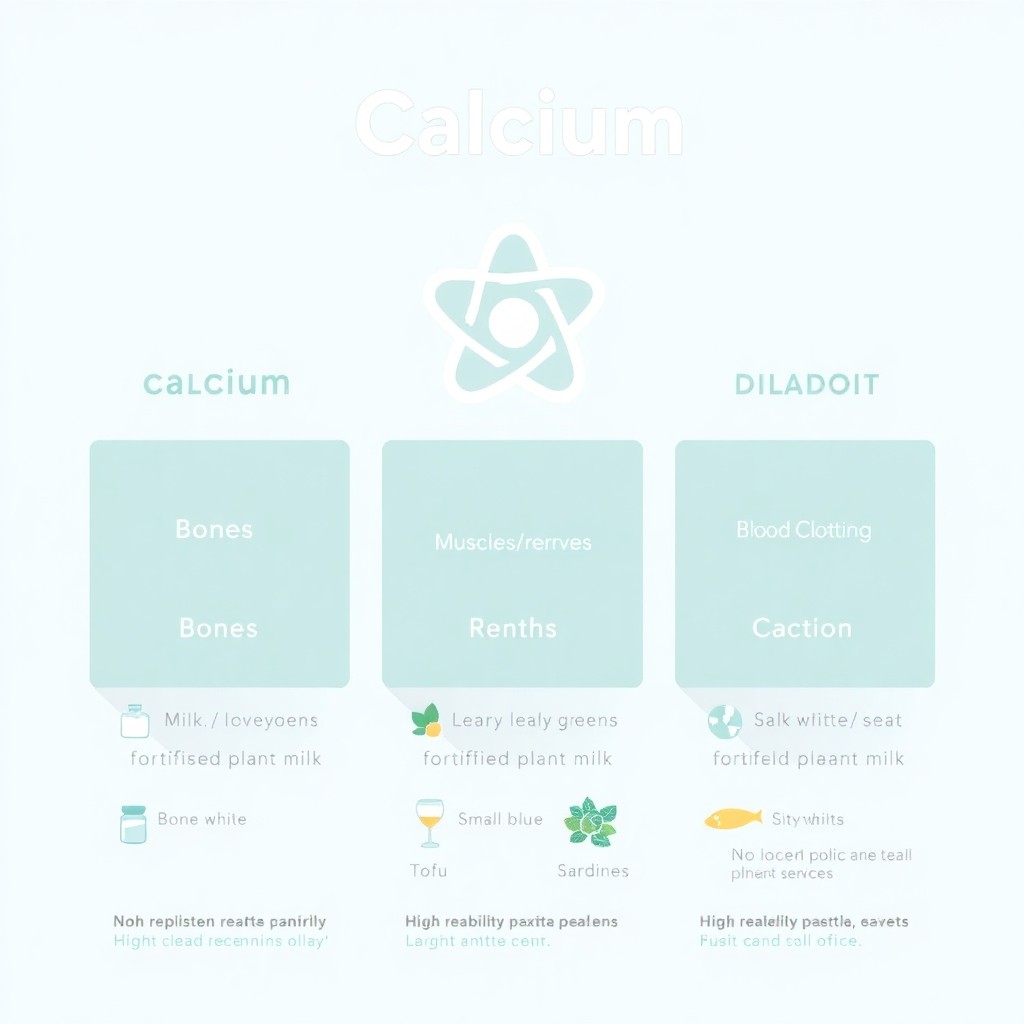
Calcium is one of the most recognized minerals in human nutrition, largely because it’s central to building and maintaining strong bones. But calcium’s roles go far beyond skeletal health. It helps muscles contract, supports nerve signaling, assists blood clotting, and even influences how your body regulates hormones and energy metabolism.
In this guide, we’ll break down what calcium does, how much you need at different ages, where to get it from food, signs that you may not be getting enough, and evidence-based considerations for supplements.
---
What calcium does in the body
Your body holds about 99% of its calcium in bones and teeth, where it provides structural strength and serves as a reservoir for ongoing needs. The remaining calcium circulates in the blood and inside cells, where it acts like a key participant in many vital processes.
Here are the major functions:
If blood calcium levels fall too low, your body can pull calcium from bones to restore balance, which is why consistent intake over time matters.
---
How much calcium do you need?
Recommended intake varies by age and life stage. While exact numbers can differ by country or guideline, common reference targets from health authorities are generally:
If you’re unsure where you land, check your local dietary reference intakes or speak with a clinician—especially if you have a medical condition affecting calcium or vitamin D.
---
Best dietary sources of calcium
For most people, the most reliable way to meet calcium needs is through food. Calcium is absorbed from many sources, but some are better absorbed than others.
1) Dairy and fortified alternatives
Fortified foods can be an excellent option if you’re lactose intolerant or avoid dairy.
2) Leafy greens and vegetables
Some vegetables contain calcium, though absorption varies due to naturally occurring compounds:
3) Fish with edible bones
4) Legumes, nuts, and seeds
5) Calcium-set tofu
Some tofu is made using calcium salts, which can substantially increase calcium content.
---
Calcium absorption: what helps and what interferes
Absorption is influenced by several factors, including vitamin D status, dietary pattern, and certain compounds that can bind calcium.
**Vitamin D** is one of the biggest helpers—without it, your body can’t absorb calcium efficiently. That’s why vitamin D and calcium often appear together in bone health recommendations.
**Potential inhibitors** of calcium absorption include:
A balanced diet and adequate vitamin D typically make calcium work better.
---
Signs you might not be getting enough calcium
Calcium deficiency doesn’t always cause obvious symptoms right away because the body can compensate by drawing calcium from bones. Over time, low intake can contribute to:
For most people, the most meaningful long-term marker of inadequate intake is bone health, which can be evaluated using clinical history and—when appropriate—bone density testing.
---
Calcium supplements: who might need them?
Supplements can help fill gaps when food intake is insufficient. They’re not inherently “bad,” but they should be used thoughtfully.
Common supplement forms
How to take them
Large doses may absorb less efficiently. Many experts recommend splitting doses (for example, taking smaller amounts across the day) if you need more than you get from food.
Interactions and considerations
Safety notes
Excess calcium from supplements (especially at high total intakes) may increase the risk of kidney stones in susceptible individuals. Total intake from **both food and supplements** matters. If you have a history of kidney stones, kidney disease, or hyperparathyroidism, consult a clinician before supplementing.
---
Myths about calcium
**Myth 1: “More calcium is always better.”**
More isn’t always better. Bone health depends on balance—especially calcium, vitamin D, exercise, and overall nutrition.
**Myth 2: “Dairy is the only way to get enough calcium.”**
Fortified foods, certain greens, tofu, and fish provide viable options for many dietary patterns.
**Myth 3: “Calcium supplements replace a healthy lifestyle.”**
Supplements can help, but they can’t substitute for strength-building activity, a balanced diet, and adequate vitamin D.
---
Practical ways to increase your calcium intake
If you want a simple plan, try these strategies:
1. **Add one calcium-rich serving daily**
Examples: a cup of yogurt, a fortified milk alternative, or a calcium-set tofu portion.
2. **Use calcium-fortified products strategically**
Many plant milks and yogurts include meaningful amounts of calcium—check labels.
3. **Include calcium-supporting nutrients**
Pair calcium sources with vitamin D from sunlight exposure (when appropriate), fortified foods, or supplements if advised.
4. **Prioritize bone-building movement**
Weight-bearing and resistance training help support bone density.
---
The bottom line
Calcium is essential for more than bones—it supports muscle function, nerve signaling, and blood clotting. Most people can meet their needs through a combination of calcium-rich foods and, when necessary, targeted supplementation. The most effective approach is to aim for consistent daily intake, ensure vitamin D adequacy, and consider personal health factors such as absorption issues or kidney stone risk.
If you’d like, tell me your age, dietary pattern (omnivore/vegetarian/vegan), and whether you’re considering supplements. I can suggest a practical calcium target and food-based options tailored to you.