Dr. Dre: From Studio Mogul to Cultural Architect — The Legacy Behind the Beats
Published: June 18, 2026
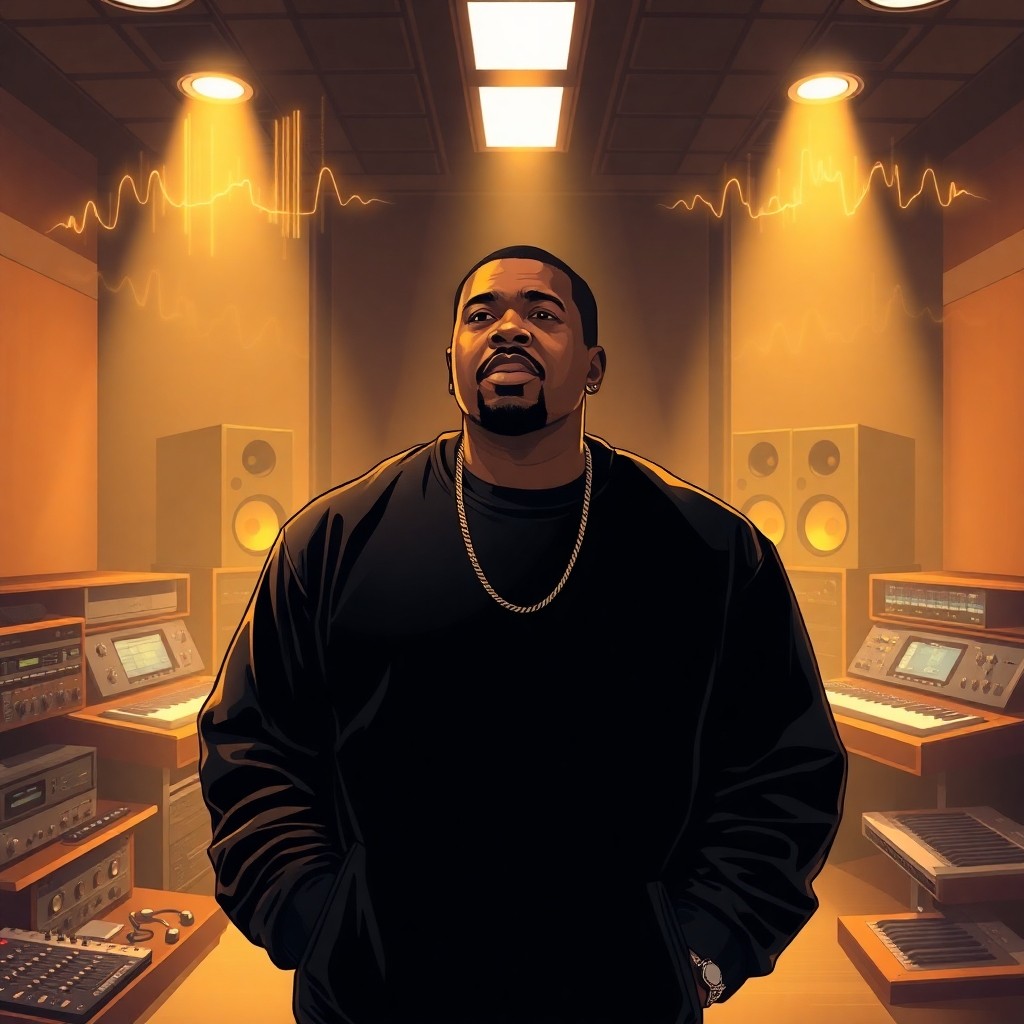
Dr. Dre and the Sound That Changed Everything
Few artists can claim that their work didn’t just succeed commercially—it also rewired an entire industry’s creative instincts. Dr. Dre is one of the rare exceptions. From the early days of shaping West Coast rap to building a production blueprint that countless artists still study, Dr. Dre’s legacy is both artistic and technological in spirit. Even if you only “know the hits,” his fingerprints are on the craft: the pacing, the clarity, the bass weight, and the way a track feels engineered rather than merely recorded.
Today, Dr. Dre is widely recognized as a rap icon, but his deeper story is about *how* he built sound. He became a curator of talent, a brand strategist, and an architect of studio-level excellence—helping transform hip-hop from a regional movement into a global production language.
The Making of a Producer: Precision, Not Just Inspiration
A major reason Dr. Dre stands out is his producer mindset. Many musicians write melodies and lyrics; Dr. Dre is known for how he assembles the whole sonic world around them. His approach often emphasizes:
This precision didn’t happen by accident. It reflects a deep understanding of studio workflows and sound design. In practical terms, Dr. Dre’s productions tend to sound “mixed,” even when they’re stripped down—like every element has a job and occupies its own space.
That’s also why his beats became reference tracks for aspiring producers. You don’t simply copy the melody; you study the *feel*. The rhythm sits in a way that makes performers sound confident and listeners stay locked in.
From N.W.A. to a New West Coast Identity
Dr. Dre’s early prominence is closely tied to the explosive rise of West Coast hip-hop. With N.W.A., his production and artistic direction helped amplify a raw, confrontational energy. But Dre’s influence wasn’t only in the lyrics—it was in the production’s ability to match the intensity.
After that era, he contributed to a shift toward a more polished, mainstream-ready sound while still keeping the regional identity unmistakable. The result was music that could dominate local culture and then scale globally. It wasn’t just “making rap accessible.” It was crafting an aesthetic that mainstream audiences could recognize instantly.
The Studio as a Creative System
One of the most underestimated aspects of Dr. Dre’s impact is his role in treating the studio like a system. Great music requires more than talent—it requires repeatable processes::
When listeners say a Dr. Dre track “hits,” they’re often describing the outcome of countless engineering decisions: levels, EQ, compression, and dynamics. The best rap production doesn’t only sound good in a studio—it sounds good on car speakers, phone speakers, and club systems.
That translation across environments is part of why his music remains durable. Even years later, it can still feel modern because the mix choices—clarity on vocals, weight on drums, controlled low frequencies—are timeless.
Building Talent and Shaping the Industry
Dr. Dre is also known for recognizing talent early and helping shape careers. Over time, he demonstrated that a producer can be more than a creator; he can be a mentor, a scout, and a label leader.
This leadership matters because it changes what gets made. When top-level creative direction is paired with talent development, the outcome is a wave of artists who share a high standard. Dre’s influence can be heard in the way newer performers chase particular sonic aesthetics: confident flows, disciplined timing, and hooks that land with purpose.
Entrepreneurial Vision: Beats, Brands, and Business
Dr. Dre’s legacy is not limited to music production. He has been involved in major business and brand decisions that expanded how hip-hop operates economically. The modern music world—streaming platforms, brand partnerships, and tech-driven distribution—requires strategic thinking beyond songwriting.
Dre’s ability to bridge art and business helped normalize the idea that hip-hop artists can be tech-aware, commercially savvy, and still creatively authentic. That influence can be felt broadly: today’s artists frequently plan their careers as brands from the start, and many producers view their work as both creative output and product.
Why Dr. Dre Still Matters Today
The reason Dr. Dre’s influence survives isn’t nostalgia alone. It’s that he contributed to a production language people still use:
New producers may work with different tools—new plugins, new software, new recording workflows—but the underlying principles are the same: make intentional choices, craft the mix, and ensure every element supports the performance.
In that sense, Dr. Dre functions like a modern benchmark. Not just for rap music, but for music production quality across genres.
Learn From the Blueprint (Even If You’re Not a Rap Producer)
If you’re an aspiring creator, you can apply Dre’s general philosophy without copying any specific beat:
1. **Start with rhythm**: let the drums define motion.
2. **Design the low-end**: make bass purposeful, not muddy.
3. **Build clear sections**: give listeners structure.
4. **Mix for translation**: your track should work on many systems.
5. **Elevate the performance**: production should support vocal delivery.
Dr. Dre’s career shows that excellence is repeatable. Great instincts help, but systems and attention to detail are what turn instincts into hits.
Final Thoughts
Dr. Dre’s legacy is best understood as a blend of artistry, engineering discipline, and business vision. He helped define what West Coast rap sounds like, but he also shaped what modern rap production *should* feel like: controlled, confident, and built to hit hard.
Whether you’re listening for the lyrics, the swagger, or the production craft, Dr. Dre remains a cornerstone of contemporary music culture. His work didn’t just entertain the world—it taught the world how to listen.