Idaho Fish and Game: Licenses, Regulations, and How to Plan Your Next Outing
Published: June 17, 2026
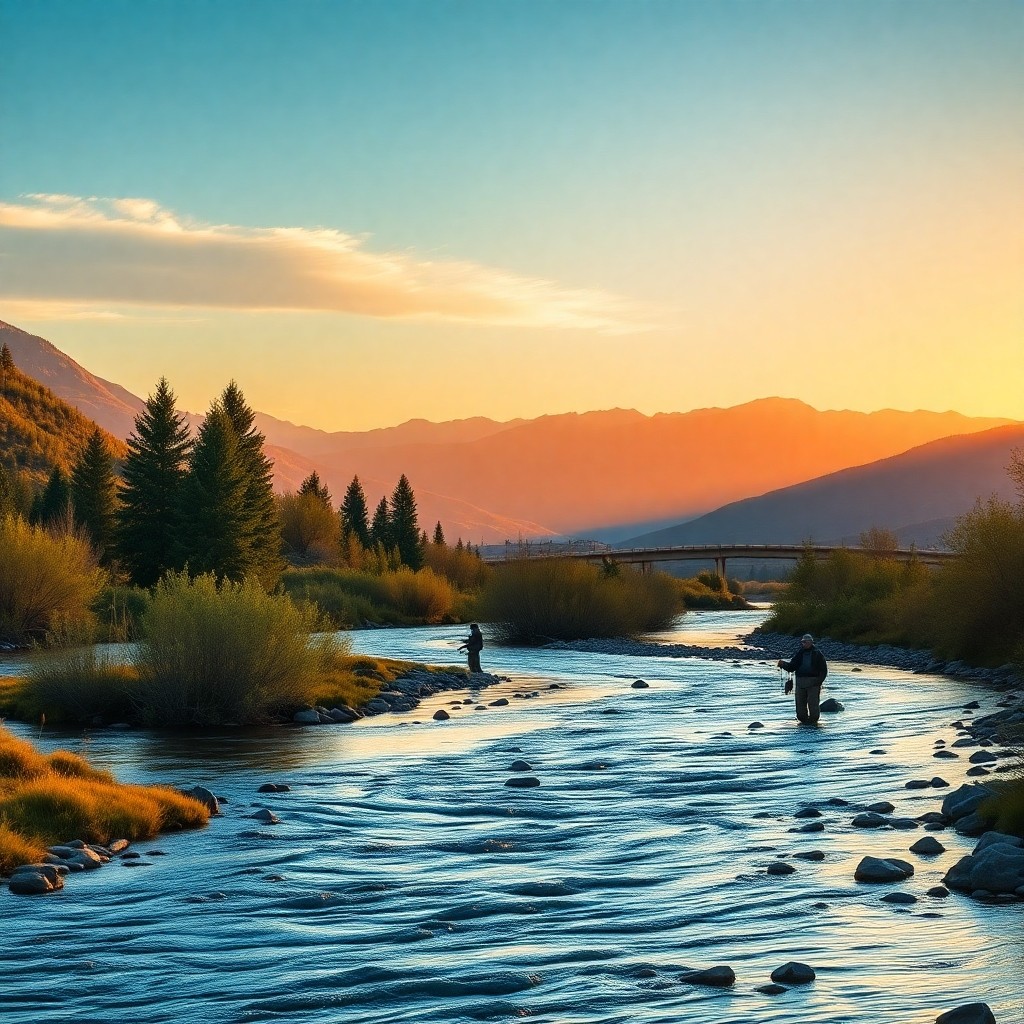
If you’re planning to fish, hunt, or engage in outdoor recreation in Idaho, Idaho Fish and Game (IDFG) is the agency you’ll want to understand. IDFG manages wildlife and fisheries across the Gem State, setting seasons, bag limits, and rules designed to conserve species while keeping outdoor opportunities available for years to come.
Whether you’re a first-time angler casting for trout or an experienced hunter looking to connect on game, knowing how to navigate IDFG resources can make your trip smoother, more compliant, and more enjoyable. This guide covers what Idaho Fish and Game does, how to find regulations, how licensing typically works, and practical steps for planning your next outing.
What is Idaho Fish and Game?
Idaho Fish and Game is the state agency responsible for managing Idaho’s fish, wildlife, and related habitats. Its responsibilities include:
In other words, IDFG is not just about “the rules”—it’s about stewardship. Those rules are the outcome of wildlife biology, public input, and conservation objectives.
Before you go: start with the right IDFG information
Regulations can change from year to year. Even if you’ve fished or hunted Idaho before, it’s smart to confirm the current details before buying tags, planning your routes, or deciding where you’ll spend time.
A good planning workflow looks like this:
1. Decide what you’re doing: fishing, hunting, or both.
2. Choose the species: trout, steelhead, elk, deer, etc.
3. Identify the location: general areas and specific units matter.
4. Confirm the current season dates and legal methods.
5. Check bag limits and any special restrictions.
6. Verify which licenses/permits are required.
7. Review deadlines and draw processes (if applicable).
This approach helps you avoid common problems—like discovering that a season has changed, an additional endorsement is required, or a certain waterway has special rules.
Licenses, permits, and endorsements (what to expect)
Licensing requirements are one of the most important parts of planning. In Idaho, the exact combination of licenses and permits depends on your activity and species.
While requirements vary, here are the categories you’ll frequently run into:
Fishing licenses
If you plan to fish in Idaho waters, you’ll typically need an Idaho fishing license and may have to meet additional requirements depending on where you’re fishing and what species you target. Some waters (such as certain stocked or managed systems) can have unique regulations, so always verify the specific waterbody rules.
Hunting licenses and tags
For hunting, IDFG will outline:
For many hunters, the “big picture” is the species you want and the units you’ll hunt. Idaho’s unit system means that seasons and legal opportunities may differ across regions.
Draw/controlled hunt systems
Some hunts are controlled through a draw process. If that applies to your target species, IDFG provides the deadlines and application details you’ll need.
Tip: if you’re planning far ahead, track dates early. Controlled hunts can fill quickly, and missing deadlines can mean waiting for the next cycle.
Idaho fishing regulations: bag limits, methods, and special rules
Fishing regulations in Idaho often cover:
Some waters may have seasonal closures or gear restrictions. Others can have rules for catch-and-release, bait limitations, or additional permits. When in doubt, look up the specific water you plan to fish.
A practical example of planning responsibly
Imagine you’re targeting trout. You might find general season dates but later learn that the section of river you want to fish has special regulations. By checking IDFG’s water-specific info, you can adjust your plan—whether that means changing your location, refining your approach, or switching to another species that’s open.
Idaho hunting regulations: seasons, units, and compliance
For hunting, IDFG regulations often include:
Because hunting rules are often more complex than general fishing rules, it’s especially important to read the season and unit details carefully.
Why enforcement matters
Conservation officers enforce regulations to ensure sustainable harvest and fair opportunity. Compliance protects both the resource and your ability to hunt or fish legally in the future.
If you’re unsure about a rule—such as what counts as a legal shot or what gear is allowed—don’t guess. Verify through IDFG resources or official postings.
How to find Idaho Fish and Game regulations and updates
To stay current, rely on official IDFG resources. Look for:
If you’re traveling within Idaho, pay attention to regional differences. What’s legal in one area may be restricted in another.
Planning tips for a better Idaho trip
Once you’ve confirmed regulations and licenses, you can focus on execution. Here are practical tips that work for both fishing and hunting:
1) Map your area before you arrive
Use offline maps if your trip involves remote regions. Knowing roads, access points, parking areas, and public land boundaries helps you save time and reduces the chance of accidental rule violations.
2) Keep your paperwork ready
Digital access can be convenient, but keep a plan for no-service situations. At minimum, know how to access your license and tag information quickly.
3) Check weather and water conditions
For fishing, flow rates and temperature can affect fish movement. For hunting, wind, visibility, and temperature can change how animals behave. Weather checks are a simple way to improve your odds.
4) Respect habitat and wildlife
Avoid damaging vegetation, keep camps clean, and follow best practices for wildlife safety. Your trip should leave the environment better than you found it.
5) Practice species-specific skills
Trout strategies differ from bass strategies; elk hunting differs from deer hunting. Spend time learning the basics of your target species and local techniques.
Make IDFG your planning “source of truth”
Idaho Fish and Game is designed to help you enjoy Idaho’s outdoors responsibly. The key is using IDFG information before you go: confirm your licenses, read species and area regulations, and stay aware of updates.
When you plan with IDFG guidance, you get more than compliance—you get a better experience. Idaho’s fish and wildlife are a shared resource, and smart preparation helps keep them healthy for future seasons.
Final checklist (quick reference)
Before you head out, confirm:
If you want, tell me whether you’re planning a fishing trip or a hunting trip (and what species), and I can help you outline a regulation checklist tailored to your target in Idaho.