Mandela: Leadership, Legacy, and Lessons for Today
Published: June 18, 2026
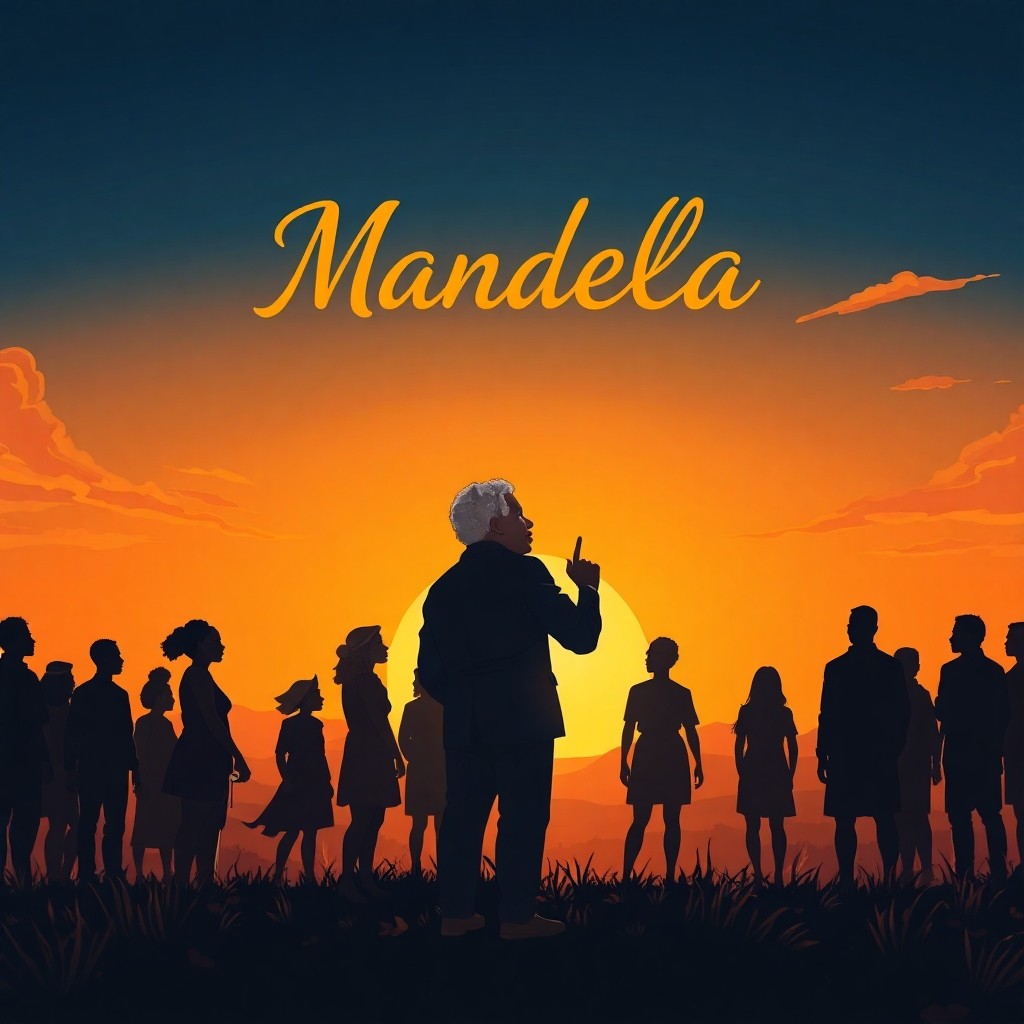
Mandela and Why His Legacy Still Matters
Nelson Mandela is more than a historical figure. His name has become a shorthand for moral courage, perseverance, and the belief that lasting change requires both justice and humanity. In a world that still grapples with inequality, polarization, and conflict, Mandela’s story continues to resonate—because it’s not only about what happened, but about *how* a leader responded to hardship and division.
Mandela’s legacy is often summarized by iconic moments: his imprisonment, his release, his election as South Africa’s president, and the country’s ongoing journey toward democratic stability. Yet the deeper value of his story lies in the transferable leadership principles embedded in his actions—principles that apply to modern technology teams, public institutions, workplaces, and personal growth.
Leadership Under Pressure
Mandela’s leadership was forged in conditions that would break most people. He spent 27 years imprisoned, much of it isolated and physically constrained. In those circumstances, many would turn inward, lose hope, or become bitter. Mandela’s defining trait was that he did not let suffering rewrite his values.
From a leadership standpoint, his life demonstrates three key competencies:
1. **Purpose during uncertainty**: Mandela maintained a clear moral mission even when the future looked bleak. Organizations today face strategy shifts, market volatility, and existential disruptions. A mission that outlasts the crisis creates direction when data changes and plans fail.
2. **Emotional discipline**: Imprisonment would naturally provoke anger. Mandela’s resilience wasn’t denial of pain—it was the control of what to do with it. Modern leaders can apply the same idea: respond thoughtfully, not impulsively.
3. **Long-term thinking**: Mandela’s approach wasn’t about short wins. It was about changing systems that took decades to build. In technology, this looks like designing maintainable architectures, building trust with users over time, and prioritizing security and reliability rather than quick fixes.
Reconciliation as a Strategic Decision
A major reason Mandela remains globally respected is that he pursued reconciliation rather than revenge. After decades of apartheid, the stakes were immense. South Africa needed stability, but it also needed a future in which people could coexist.
Mandela’s reconciliation approach offers an important lesson: **peace isn’t the absence of accountability—it’s the creation of a pathway forward.** By embracing negotiation and dialogue, he helped reduce the risk that conflict would simply repeat itself in new forms.
This idea is particularly relevant today, where many societies and companies struggle with “us vs. them” dynamics. Whether the setting is a newsroom divided by ideology, a workplace divided by incentives, or a community divided by politics, reconciliation requires:
In corporate life, reconciliation can resemble conflict resolution, inclusive decision-making, and transparent processes for handling grievances. In civic life, it can resemble truth-seeking, institutional reforms, and policies that reduce the likelihood of future violence.
Justice with Humanity
Mandela advocated for justice while still insisting on human dignity. This balance is one of his most enduring contributions: he showed that moral goals do not require dehumanizing opponents.
That principle is not only ethical—it’s practical. Dehumanization increases conflict costs and undermines long-term cooperation. Mandela’s approach kept the focus on the system and the policies that created injustice, rather than turning individuals into permanent enemies.
For leaders, this translates into a thoughtful distinction:
In technology teams, similar dynamics emerge in debates over product decisions, technical debt, and user safety. It’s possible to be firm about quality and ethics while still respecting the people doing the work.
Resilience: The Engine Behind Sustainable Change
Mandela’s resilience is often romanticized, but it was not magic. It was an ongoing practice. He demonstrated that resilience is not only endurance—it’s also adaptation.
Consider what resilience looked like across his timeline:
In modern terms, resilience involves the ability to change your tactics while staying committed to your principles. For individuals, it means learning from setbacks. For organizations, it means running experiments, updating strategies, and building cultures that can absorb stress without collapsing.
Technology, Ethics, and the Mandela Mindset
Technology shapes society—sometimes positively, sometimes destructively. Mandela’s legacy encourages a mindset that keeps ethics central. For example:
The Mandela mindset can be summarized as: *build systems that expand dignity.* That principle can guide product development, policy design, AI governance, and cybersecurity ethics.
Lessons We Can Apply Today
Mandela’s story offers actionable lessons, even if you never step into politics:
1. **Choose a moral compass**: Decide what you stand for before the crisis hits.
2. **Sustain hope through action**: Hope isn’t passive; it’s practiced through efforts that keep momentum.
3. **Invest in reconciliation**: Build bridges and create processes that allow dialogue.
4. **Aim for systemic change**: Don’t only treat symptoms—address causes.
5. **Lead with humanity**: Strength can be compassionate, firm, and respectful at the same time.
Conclusion
Mandela’s legacy endures because it addresses timeless human needs: fairness, safety, dignity, and belonging. His leadership shows that courage is not the absence of fear—it’s the decision to act with principle despite fear. His life also highlights that reconciliation is not weakness; it is a strategic commitment to a future where people can live together without constant retaliation.
Whether you’re navigating organizational challenges, advocating for community change, or seeking personal resilience, Mandela’s example remains a powerful guide. In a time when many systems feel polarized and unstable, his life reminds us that progress is possible when leadership couples justice with humanity—and when resilience becomes a practice, not a slogan.