Roman Reigns: The Tribal Chief’s Rise, Dominance, and Legacy in WWE
Published: June 16, 2026
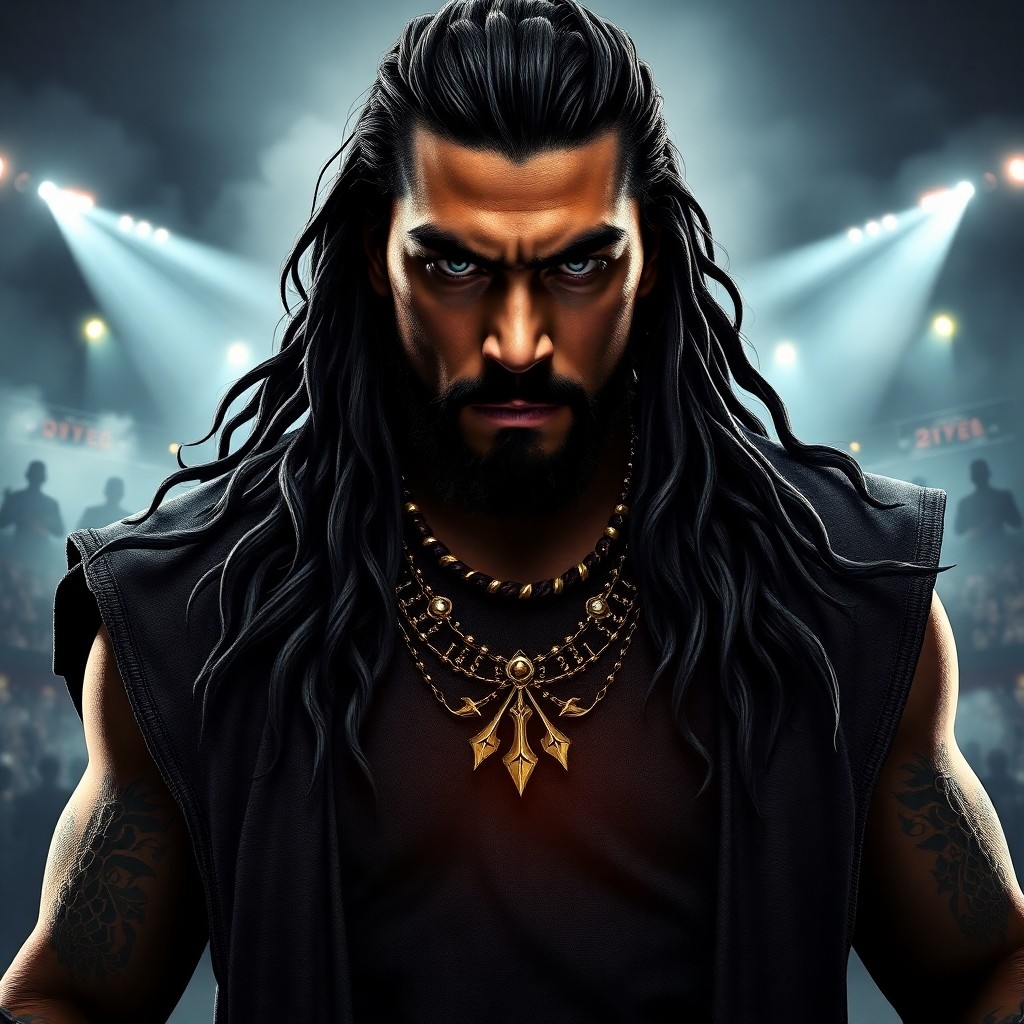
Roman Reigns: Why the “Tribal Chief” Became WWE’s Modern Era Face
Roman Reigns is more than a WWE Superstar. He’s a cornerstone of the company’s modern storytelling—an athlete whose presence, microphone work, and in-ring style helped redefine what dominance looks like in mainstream sports entertainment. Over the years, Roman Reigns evolved from a rising star into the centerpiece of one of WWE’s most compelling eras: **The Bloodline**. If you’ve followed WWE at all, you already know his name is inseparable from the phrase **“Tribal Chief.”**
But how did he reach that status? What makes his reigns feel different? And what does his legacy suggest for what comes next?
---
From Breakthrough Star to Main-Event Reality
Roman Reigns’ WWE journey has been shaped by persistence and reinvention. Early on, he was positioned as a star with enormous upside, combining power, athleticism, and a look that WWE audiences instantly recognized. Yet, what truly cemented his long-term stardom wasn’t just physical power—it was the way he learned to connect with fans during major turning points.
At different moments in his career, Roman was asked to fill big shoes as WWE built toward major storylines. Over time, he demonstrated that he could carry high-stakes matches while also delivering character depth. That balance—**strength in the ring + credibility in the character arc**—set the foundation for everything that followed.
---
Earning the Title: In-Ring Style and Signature Moves
Part of Roman Reigns’ dominance is his wrestling identity. His style looks imposing because it is built around timing, force, and efficiency. Fans can recognize his matches not only by what happens, but by the rhythm of how it happens.
Key elements of his approach include:
Whether he’s using a devastating finishing maneuver or delivering a grinding, relentless attack, Roman’s match structure tends to tell a clear story: he’s not just winning—he’s *taking over*.
---
The Bloodline Era: Storytelling at Its Highest Level
Roman Reigns’ most significant transformation came when WWE leaned fully into the power dynamic of **The Bloodline**. In this era, Roman isn’t merely a champion; he’s the leader of a whole system—one where loyalty, consequences, and family ties drive the narrative.
The brilliance of the Bloodline storyline is that it adds layers:
1. **Authority as character development**: Roman’s role evolves from being an elite competitor to being a ruler.
2. **Family as stakes**: The story doesn’t revolve only around titles—it revolves around trust, betrayal, and influence.
3. **Collective pressure**: Opponents don’t just face Roman; they face an entire faction with shared interests.
This is one reason Roman Reigns’ reigns feel legendary. WWE doesn’t just present him as strong; it presents him as *inevitable*.
---
Championship Reigns: More Than Just Holding Gold
Roman Reigns’ championship run(s) are defined not only by how long he held titles, but by *what the titles represented*. In WWE, championships are often central, but Roman’s reigns carried a distinct weight because the storytelling treated the belt as a symbol of rule.
His reigns often came with:
That long-form storytelling created the sense that the world of WWE was reacting to Roman’s presence, not just watching him compete.
---
Rivalries That Sharpened the Legacy
Every dominant champion develops a defining “question” that rivals try to answer: *Can anyone dethrone this force?* Roman Reigns’ major rivalries became memorable because they weren’t simply about winning a match. They were about attacking Roman’s identity, authority, and alliances.
Through these rivalries, WWE explored themes such as:
Roman’s opponents often appeared not only physically outmatched, but emotionally challenged by the stakes of the Bloodline’s influence. That’s why these rivalries resonate: the matches are grounded in story logic.
---
The Tribal Chief Persona: Commanding Presence Without Overacting
Part of Roman Reigns’ success is that his persona doesn’t rely on constant theatrics. The Tribal Chief character works because it’s built on control—tone, timing, and an air of certainty.
What makes this persona effective:
This consistency helps explain why fans remain invested. Even when the storyline turns tense, the audience understands the rules of the world Roman rules.
---
Why Roman Reigns Still Matters in WWE’s Biggest Conversations
In any wrestling era, stars come and go. But Roman Reigns remains a central figure because he checks multiple boxes at once:
He’s also one of the rare performers who can function as both a top-level competitor and a long-term narrative engine. WWE doesn’t just use Roman for short-term shock value; they use him to structure entire arcs.
---
Looking Ahead: What Roman Reigns’ Legacy Could Mean Next
Roman Reigns’ legacy is still unfolding. The biggest question moving forward is how WWE will evolve the storyline machinery he represents. Will his character continue to expand in the direction of leadership and dominance, or will future chapters challenge the very concept of the Tribal Chief?
Whatever the next step is, Roman’s impact is already clear:
---
Conclusion
Roman Reigns became the Tribal Chief not by taking a single shortcut, but by building his career in layers: athletic dominance, character reinvention, and storytelling that treats the championship as more than a belt. The Bloodline era turned him into WWE’s modern-day centerpiece—one capable of carrying big matches, bold promos, and intricate faction plots.
If you want to understand why WWE audiences keep tuning in, Roman Reigns is a key part of the answer. His rise reflects what modern wrestling does best: merges sport-like credibility with narrative stakes that keep fans emotionally invested.