Snap AR Glasses: The Future of Hands-Free Augmented Reality
Published: June 17, 2026
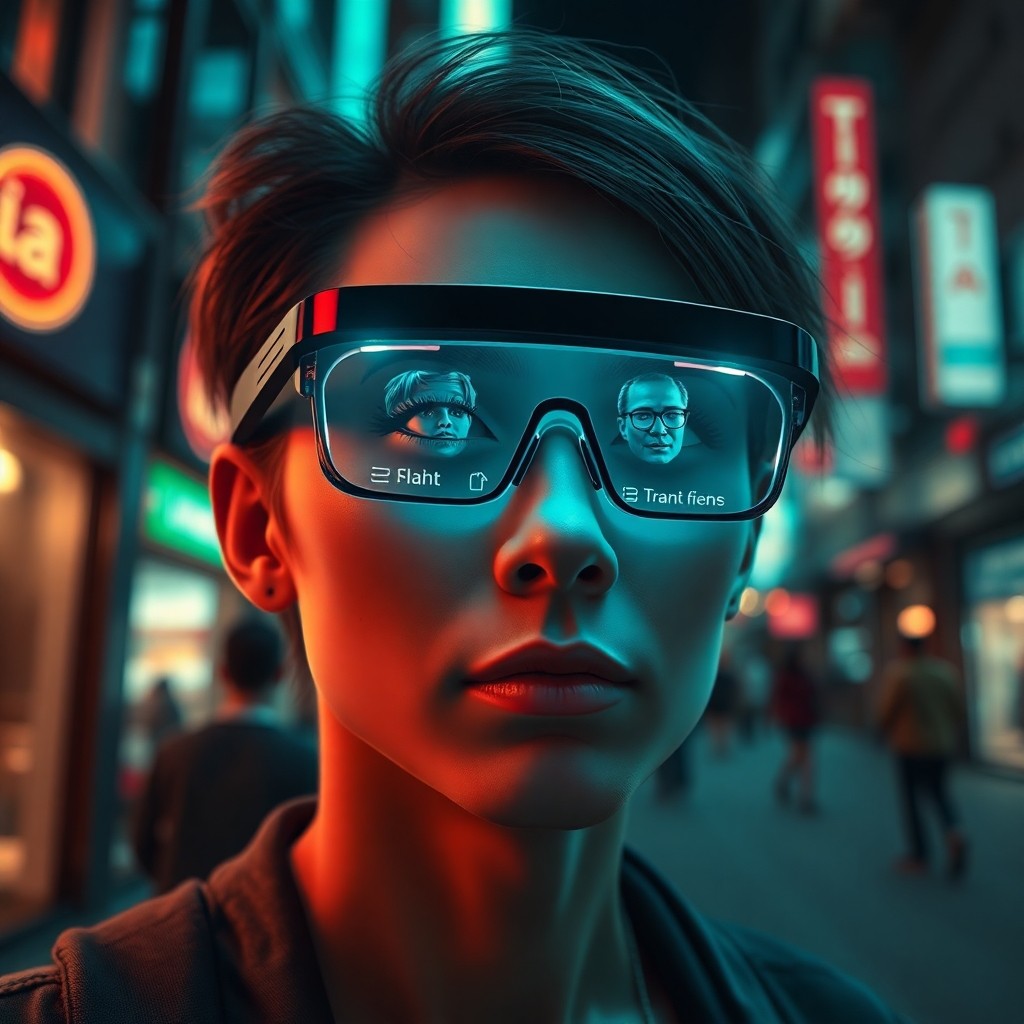
Snap AR Glasses: The Future of Hands-Free Augmented Reality
Snap has been associated with creative, camera-first experiences for years, and its next step—**Snap AR glasses**—signals a major shift from “holding a phone for AR” to **wearing AR that blends into daily reality**. If the smartphone is the gateway to immersive content, AR glasses are the next logical layer: a lightweight platform that can recognize the environment, track movement, and overlay digital elements seamlessly.
But what exactly are Snap AR glasses, what problems do they solve, and why do people care? In this guide, we’ll break down the concept of Snap’s AR glasses, the core capabilities that matter, real-world use cases, limitations, and what to watch as the technology matures.
> Note: Product availability and exact specifications may vary over time and by region. This article focuses on the general idea and the user experience direction commonly associated with Snap’s AR hardware ecosystem.
---
What Are Snap AR Glasses?
At a high level, **Snap AR glasses** refer to wearable augmented reality glasses designed to deliver AR experiences directly in your field of view. Instead of launching an app, aiming a camera, and pressing buttons, AR glasses aim to make digital layers **feel continuous and contextual**.
This matters because AR experiences are strongest when they are:
Snap’s brand identity is built around “camera as a superpower,” and AR glasses are a natural evolution: move from capturing moments to **enhancing what you see while you’re seeing it**.
---
Why Hands-Free AR Changes Everything
Most AR experiences today rely on smartphones or tablets. That setup is effective, but it comes with friction:
Hands-free AR glasses reduce these issues. With glasses, you can:
Think about how you use your eyes and head naturally. If the glasses can track that movement and overlay content reliably, AR becomes more intuitive and immersive.
---
Key Capabilities to Expect from AR Glasses
While different devices will vary, AR glasses typically rely on several technological building blocks.
1) Spatial awareness
To anchor digital objects to the real world, glasses need accurate spatial mapping and tracking. This enables effects like:
2) Computer vision + scene understanding
AR must understand what’s in front of you—faces, signage, landmarks, surfaces, and more. Strong scene understanding improves:
3) Real-time rendering
Augmented overlays should be smooth and stable. Latency (delay) can break immersion quickly, causing overlays to drift or feel disconnected.
4) Audio and haptics (optional but helpful)
Sound cues and tactile feedback can help guide interactions without requiring you to look for controls.
5) Sharing-first design
Snap’s ecosystem is known for social sharing. The big advantage of AR glasses in a Snap context is the potential for **rapid capture and distribution**—turning an AR moment into something your friends can see immediately.
---
Real-World Use Cases for Snap AR Glasses
AR glasses can support far more than playful filters. Here are compelling categories of use cases.
Social and entertainment
Navigation and wayfinding
Learning and exploration
Productivity and information access
Retail and try-before-you-buy experiences
The strongest AR glasses experiences are those that enhance real activities without creating a new “workflow” you must learn.
---
Challenges and Limitations to Watch
AR glasses are exciting, but they’re not magic. Several challenges matter for both product quality and user adoption.
Comfort and battery life
Wearables must be comfortable for extended sessions. Battery constraints also affect how long you can use AR without interruptions.
Privacy and social acceptance
Glasses with cameras and sensors raise understandable questions. Users and bystanders will want clarity on:
A responsible privacy approach can be a key differentiator.
Accuracy and stability
If overlays jitter, drift, or fail to recognize environments reliably, users will lose trust quickly. Improvements in tracking accuracy are essential.
Content ecosystem
AR glasses are only as useful as the apps and experiences available. A strong ecosystem—including creative tools, social formats, and practical utilities—makes the hardware more valuable.
---
What It Means for the Future of AR
Snap AR glasses represent a broader shift in computing: from “apps on screens” to **experiences embedded in real life**. When AR is always available, it can become a platform for:
Just as smartphones changed how we communicate and consume media, AR glasses could change how we interact with information and each other.
---
Final Thoughts
Snap AR glasses bring an exciting promise: **hands-free augmented reality that feels immediate, social, and creative**. The potential impact ranges from everyday entertainment to practical guidance and learning. However, success will depend on comfort, accuracy, privacy, and—most importantly—whether the content and sharing experience is seamless.
As AR technology advances, the question isn’t just whether AR glasses can overlay digital content, but whether they can do it in a way that people genuinely want to wear—every day.