Taylor Swift in 2026: The Strategy Behind the Music, the Merch, and the Eras
Published: June 16, 2026
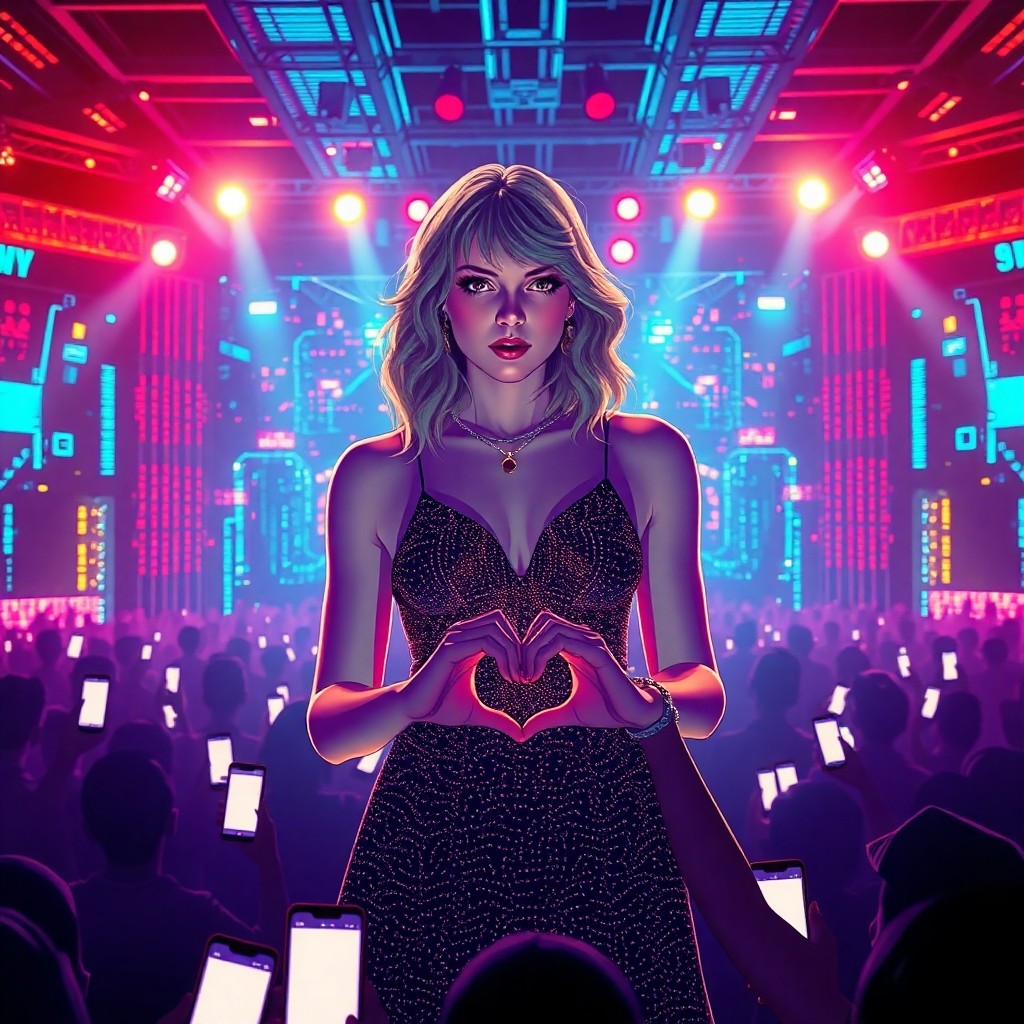
Taylor Swift in 2026: The Strategy Behind the Music, the Merch, and the Eras
Taylor Swift’s cultural footprint in 2026 is less like a typical pop star’s “album cycle” and more like an ongoing product strategy—one where creativity, technology, and community reinforce each other. While her talent as a songwriter is the foundation, her long-term success also comes from how she **plans narratives across eras**, builds **momentum through release design**, and turns fandom into an **interactive, self-sustaining ecosystem**.
This article looks at the mechanics behind that ecosystem: what she does with her storytelling, how her timing and rollout decisions amplify each release, why her live shows function like cultural events, and how her merchandise approach uses modern branding principles to keep fans engaged between major releases.
---
1) The “Era” concept as a product system
Most artists release a body of work and then move on. Taylor Swift’s approach is closer to a system: each era has a coherent identity—visual style, lyrical themes, fashion cues, and even recurring motifs. In practical terms, the “era” becomes a **repeatable structure** that makes each new release easier to recognize and harder to ignore.
From a marketing perspective, eras do three key things:
1. **They reduce friction for new listeners.** If someone hears about a new album but is overwhelmed by back catalogs, the “era” gives them a simple entry point.
2. **They create collecting behavior.** Fans don’t just consume music—they track visuals, deep cuts, and era-specific references.
3. **They maintain continuity across time.** Instead of restarting from zero, Swift builds on an established universe of symbols and story arcs.
In 2026, this “era” framework matters even more because audiences scroll quickly. Clear brand signaling helps her cut through noise without diluting her artistic identity.
---
2) Songwriting as audience architecture
Swift’s writing isn’t only personal—it’s structured for connection. She writes in ways that give listeners both intimacy and interpretability: specific details that feel lived-in, paired with emotional themes broad enough to apply to different experiences.
That balance is powerful. It functions like a kind of audience architecture:
This is one reason Swift’s songs often remain culturally durable. They become topics people return to, not just tracks they move past.
---
3) Release timing and “eventization”
In 2026, the attention economy rewards spectacle—but Swift’s eventization isn’t superficial. It’s built from a sequence of planned touchpoints that create anticipation and long-tail discussion.
Common patterns fans recognize include:
The key is that each release feels like a culmination and a beginning. Swift’s team appears to treat rollout as a narrative arc rather than a single date on a calendar.
---
4) Live tours as immersive media, not just concerts
Swift’s live shows are frequently described as concerts, but they behave like immersive media experiences. They deliver:
From a technology-and-experience standpoint, large-scale tours are also data-rich ecosystems: fans plan travel, create content, and engage in real time. Even the choreography of the night—when songs arrive, how visuals shift—can be seen as an extension of narrative design.
In other words, Swift’s performances don’t just present songs; they interpret them.
---
5) Merchandising: fandom-as-inventory, identity-as-currency
Merch often gets treated as an afterthought, but Swift’s merchandise strategy is closer to a brand system. It reinforces identity and gives fans a tangible way to participate.
Why it works:
1. **Merch aligns with era aesthetics.** It’s not random swag—it’s visual storytelling.
2. **Limited-feeling drops encourage planning and community discussion.** Fans compare availability and designs.
3. **Collectibility creates repeat engagement.** Even fans who buy once often want “the next piece” when a new era arrives.
Importantly, merch is also a bridge between album releases. It gives fans something to look forward to without waiting for the next songwriting-heavy rollout.
---
6) Community design: fandom as a feedback loop
Swift’s fanbase operates like a decentralized media organization—people create artwork, edit videos, analyze lyrics, and track announcements. That organic attention is valuable because it turns marketing into conversation.
In 2026, this feedback loop is strengthened by:
Swift benefits from this because it reduces the distance between the artist and the audience. When fans feel seen, they advocate. When they advocate, the brand grows.
---
7) The “compounding” advantage of a long-run brand
Many artists spike and fade. Swift’s brand compounds because she consistently:
In a fast-changing media landscape, compounding means each era doesn’t live alone—it strengthens the overall brand credibility. New listeners are pulled into the back catalog, long-time fans feel rewarded, and the cycle continues.
---
Conclusion: Why Taylor Swift’s 2026 strategy feels different
Taylor Swift’s success in 2026 isn’t only about chart performance—it’s about systems thinking. Her approach connects songwriting, branding, live performance, and merchandising into a unified experience. Each element supports the others: eras create clarity, songs create emotional depth, tours create shared memory, and merch creates identity.
That’s the real takeaway for anyone analyzing modern pop stardom: it’s not just what’s released—it’s how the release becomes a sustained world fans can step into.
---
FAQs
**Is Taylor Swift’s “era” strategy just marketing?**
Not solely. It also supports artistic coherence and helps listeners engage with themes across time.
**Why do Swift’s releases feel like events?**
Because rollout timing, visuals, and storytelling cues are designed to sustain attention before and after launch.
**How does merch increase fan engagement?**
It turns era aesthetics into collectible identity items and keeps fans interacting between major music releases.