Thibaut Courtois: The Goalkeeper Who Redefined Modern Shot-Stopping
Published: June 15, 2026
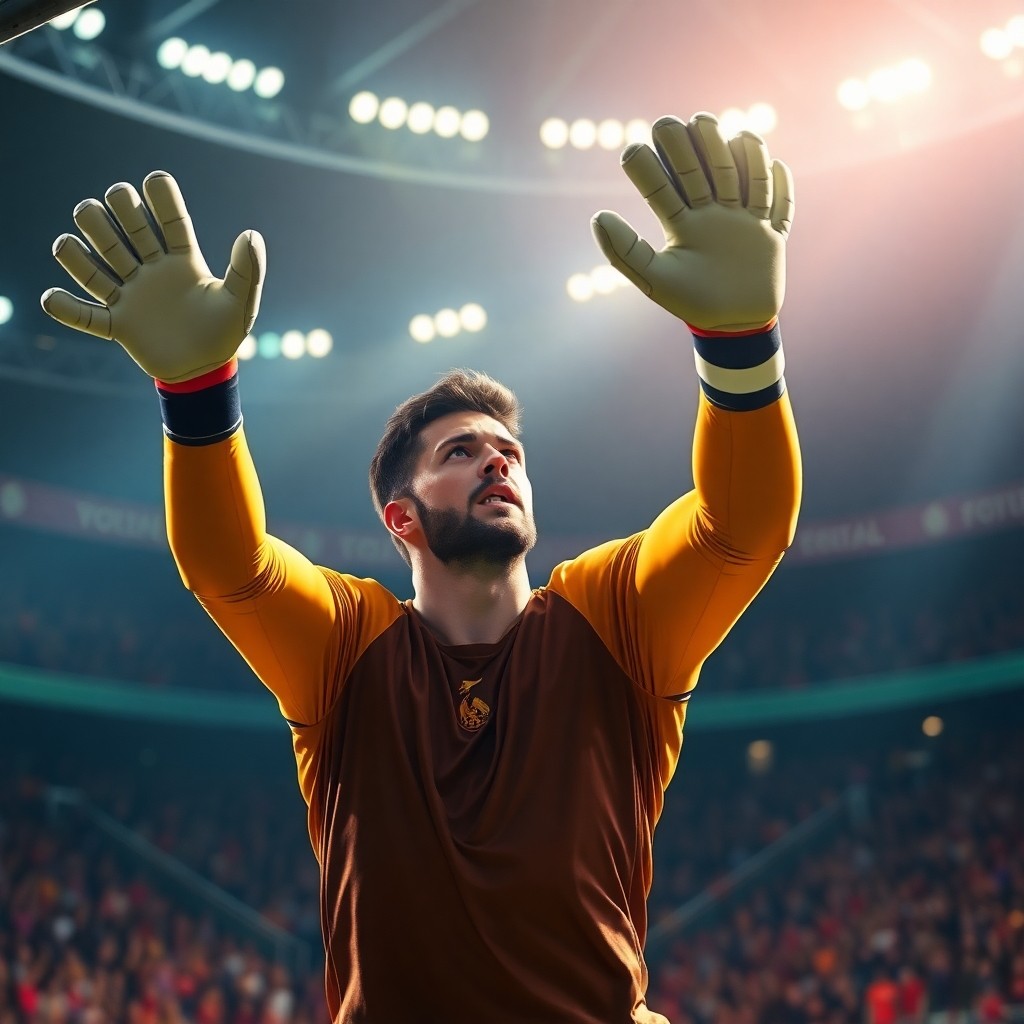
Thibaut Courtois: a modern master of goalkeeping
Few positions in football are as demanding—both physically and mentally—as the goalkeeper. Over the past decade, Thibaut Courtois has stood out as a benchmark for modern elite goalkeeping: explosive reaction speed, confident positioning, and a rare mix of athleticism with calm decision-making. From his early days in Belgium to his role as one of the most trusted figures at the top level, Courtois’ story reflects how the goalkeeper role has evolved.
This guide looks at Courtois’ career trajectory, his strengths between the posts, and the tactical value he brings to teams that expect stability, authority, and match-winning saves.
---
From Belgian promise to global recognition
Thibaut Courtois’ path to superstardom is tied to steady development. His early exposure to competitive football helped him build the technical and mental foundations needed for high-pressure matches. As his reputation grew, he became known not only for dramatic saves but also for the “invisible” work that top keepers do: reading angles early, choosing the right timing, and communicating to keep defensive lines organized.
As he moved into larger competitions, Courtois’ development became more visible. He didn’t merely stop shots—he influenced how opponents attacked. When a goalkeeper consistently makes attackers second-guess their options, it changes the rhythm of games.
---
What makes Courtois’ shot-stopping so effective?
Courtois is widely admired for his ability to intercept danger quickly. While many goalkeepers appear powerful in highlight moments, the best keepers are also consistent across an entire match. Courtois fits that profile.
1) Reaction speed and “first response” dominance
Elite shot-stopping begins with the first half-second after a shot is struck. Courtois has often been praised for closing that gap quickly—judging pace, keeping balance, and initiating the dive at the right moment. Even when the ball isn’t perfectly centered, he frequently makes saves that look improvised but are actually the result of prepared biomechanics and instant reading.
2) Positioning that reduces the need for heroics
One of Courtois’ most important traits is his ability to get into good starting positions. When a goalkeeper sets the angle correctly, the goalkeeper’s reach becomes more decisive and opponents face smaller target zones. Courtois is known for maintaining an alert stance and adjusting quickly to the ball’s trajectory.
3) Reach, height, and controlled diving
Modern goalkeeping isn’t only about making contact—it’s about making contact efficiently. Courtois’ dives are typically clean and controlled, helping him avoid rebounds that create second-chance danger. His physical attributes—height and explosive leg drive—give him a big advantage, but his technique ensures he uses those advantages well.
4) Courage under pressure
Goalkeepers often face psychological pressure: strikers test you repeatedly, and defensive mistakes can create chaotic moments. Courtois has built a reputation for staying composed during intense sequences—especially when attackers attempt shots from tight angles or after quick combinations.
---
Leadership and communication: the goalkeeper role expanded
In modern football, the goalkeeper is not just the last line of defense; they are the organizer. Courtois’ importance extends beyond the save. During matches, he tends to command his box, direct defenders, and help the team transition from defending to attacking.
That leadership matters especially during set pieces. Corner kicks and free-kicks are where organization can be the difference between conceding or keeping a clean sheet. A goalkeeper who communicates clearly and positions confidently gives the entire defense more structure.
---
Tactical impact: how Courtois influences play
A goalkeeper at Courtois’ level provides more than “safety.” When a team knows its keeper can reliably deal with shots, it can take calculated risks higher up the pitch. Defenders can press with a bit more confidence because there is a dependable option behind them.
Courtois also supports tactical stability through:
---
Career milestones and why they matter
Courtois’ career includes experiences across top European competitions—moments that helped polish his skills and mental toughness. Each step of his development contributed to the keeper fans recognize today: a blend of athletic shot-stopping and authoritative presence.
For fans searching “Thibaut Courtois” for highlights, it’s easy to focus on standout saves. But the deeper reason he’s respected is what those saves represent: preparation, positioning, and a consistent ability to perform at the highest level.
---
What young goalkeepers can learn from Courtois
Courtois offers a blueprint for modern goalkeeping:
1. **Work on positioning as much as reflexes**: A well-set angle makes saves easier.
2. **Develop explosive movement**: Diving and recovering quickly require strength and coordination.
3. **Stay calm in high-tempo moments**: Your first decision is often the most important.
4. **Communicate constantly**: Defense needs direction and reassurance.
The goalkeeper who can do all of these becomes more than a stopper—they become a stabilizer.
---
The legacy: why Courtois remains a benchmark
At the elite level, talent alone doesn’t guarantee greatness. Courtois has shown that consistency, athletic precision, and leadership create a goalkeeper profile that opponents fear and teams trust.
In an era where football is faster and attackers are more inventive, the job of the goalkeeper has grown harder. Courtois’ performances demonstrate what it looks like when a goalkeeper adapts: staying sharp, reading the game early, and turning difficult situations into match-defining interventions.
---
Conclusion
Thibaut Courtois is more than a highlight reel. He represents a modern approach to goalkeeping—one built on positioning, reaction speed, controlled technique, and strong leadership. As football continues to evolve, his style remains a reference point for what top-level shot-stopping and authority should look like.
If you’re studying goalkeeping, analyzing defensive systems, or simply exploring the reasons elite keepers influence entire matches, Courtois’ career provides plenty of answers. His impact isn’t limited to preventing goals—it’s about shaping the game’s momentum every time he commands his box.