Tornado: How They Form, Where They Strike, and What to Do Before and During One
Published: June 18, 2026
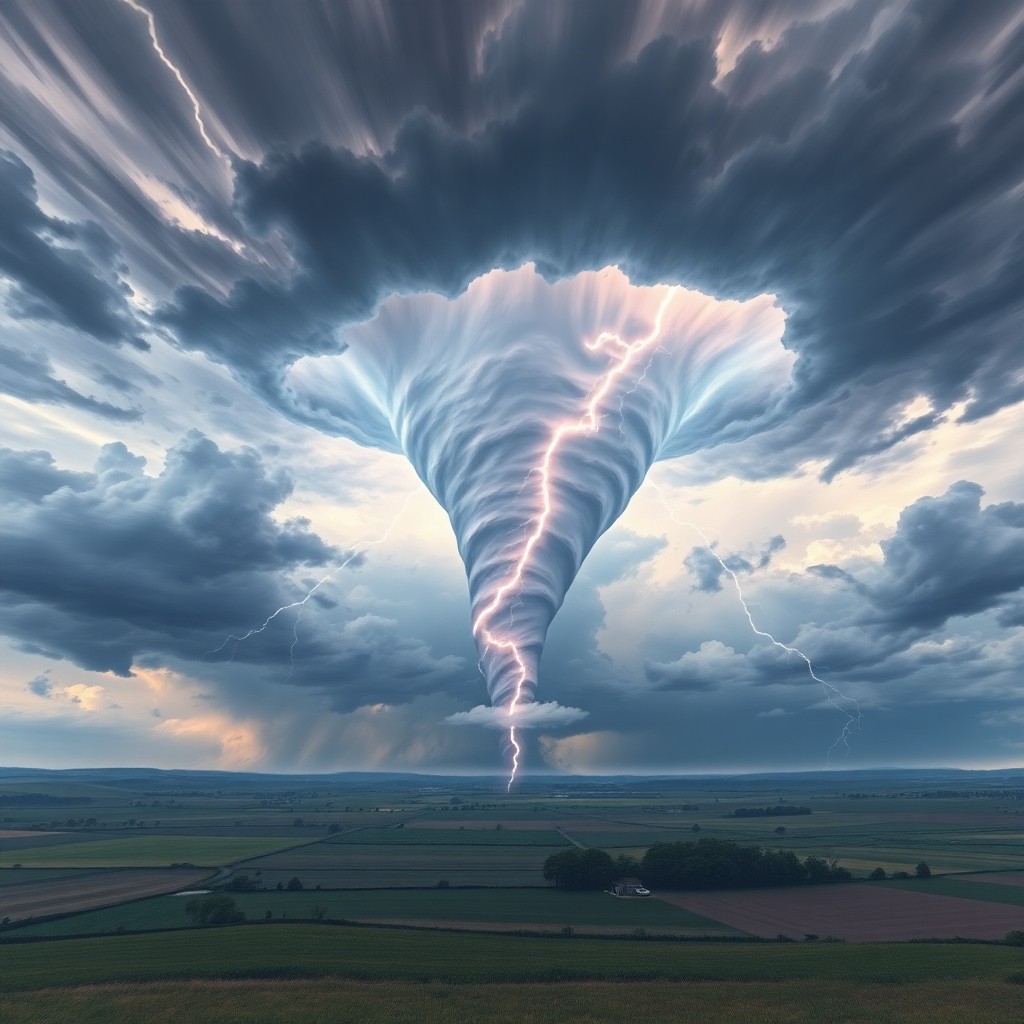
Tornado Overview: What a Tornado Really Is
A **tornado** is a rapidly rotating column of air that extends from a thunderstorm to the ground. While not every storm produces tornadoes, those that do can create dangerous winds, debris, and sudden changes in weather. Tornadoes are often brief, but their impact can be devastating—especially when they strike homes, mobile structures, and critical infrastructure.
Tornadoes vary widely in strength and size. Meteorologists estimate intensity using damage indicators and wind proxies (commonly aligned with the **Enhanced Fujita (EF) scale**), ranging from weaker events that cause minor damage to severe tornadoes that can destroy well-built structures. Regardless of intensity, the key risk factors are **wind speed, flying debris, sudden structural failure, and low visibility**.
---
How Tornadoes Form: The Storm Ingredients That Matter
Tornado formation is best understood as the intersection of multiple ingredients working together:
1) Warm, Moist Air Near the Ground
Most tornado outbreaks occur when **warm, humid air** is pulled northward (or lifted) toward a storm system. Moisture increases the potential for heavy rain and powerful updrafts.
2) Cold Air Aloft and Instability
Along with surface moisture, tornado-capable storms often need **colder air at higher elevations**. This temperature contrast creates atmospheric **instability**, encouraging strong convection—rising air that can stretch and accelerate.
3) Wind Shear (Changing Wind Speed/Direction With Height)
Wind shear is one of the most important drivers. It means that as you go higher in the atmosphere, wind speed and/or direction changes. That “tilting” and “twisting” of air can help a rotating structure develop within a thunderstorm.
4) A Strong Updraft and a Rotating Thunderstorm
Even with the right environment, tornadoes usually form within particular storm types—commonly **supercells**, which are rotating thunderstorms. Within these storms, a complex process can concentrate rotation into a narrower region, sometimes producing a tornado.
5) The Development of a Tornadic Vortex
As conditions align, the storm’s rotation can intensify and extend downward. If the rotating air reaches the ground, a tornado begins. Sometimes tornadoes form quickly; other times they are preceded by a funnel-shaped feature or a rotating wall cloud.
---
Where Tornadoes Strike: Regions, Seasonal Patterns, and Topography
While tornadoes can occur nearly anywhere given the right conditions, some places experience them more frequently.
Tornado Alley and Beyond
In the U.S., **Tornado Alley** is a widely used phrase for areas in the central Plains where warm moist air, dry air, and strong wind shear often collide. However, tornadoes also occur in:
Seasonal Timing
Many regions see peak tornado activity during spring, but tornadoes can happen outside spring too—depending on local weather patterns. In the U.S., spring outbreaks are especially common because of strong instability and shear during that season.
Why Terrain and Urban Areas Matter
Terrain doesn’t create tornadoes by itself, but it can influence storm behavior—how air streams are channeled and how storms evolve. Urban areas may also increase risk due to higher concentrations of property and structures exposed to debris.
---
Signs of Tornadoes: What to Watch For
No single sign guarantees a tornado, but these cues can indicate increasing risk:
Most importantly, rely on **official warnings** from local meteorological services. Visual confirmation is helpful but not safe—tornadoes can form quickly and change direction.
---
Tornado Safety: What to Do Before and During a Tornado
Being prepared saves lives. Tornado safety is about minimizing exposure to wind and debris.
Before a Tornado
1. **Know your shelter options**
2. **Prepare a go-bag and emergency kit**
Include water, medications, flashlight, batteries, a first-aid kit, and important documents.
3. **Practice your plan**
Decide where everyone goes, how you will communicate, and what to do if someone is away from home.
4. **Use weather alerts**
Turn on **wireless emergency alerts** and monitor local warnings. Have multiple ways to receive alerts (phone + radio).
During a Tornado: Immediate Actions
If a tornado warning is issued or you see a tornado nearby:
If you are in a vehicle or outdoors:
If you’re caught without shelter:
---
After the Storm: Recovery and Risk Management
Once the tornado passes:
---
Technology and Forecasting: How We Improve Tornado Detection
Modern tornado prediction uses a combination of:
Even with advances, tornado warning timing remains challenging. Tornadoes can form rapidly, sometimes between radar scan intervals. That’s why alerts and safety actions must be prompt and decisive.
---
Key Takeaways
If you want, tell me your country/state (or the general region you’re in), and I can tailor tornado-season awareness tips and typical warning practices for that area.